Indoor Cat Enrichment: DIY Toys, Routines & Home Setup
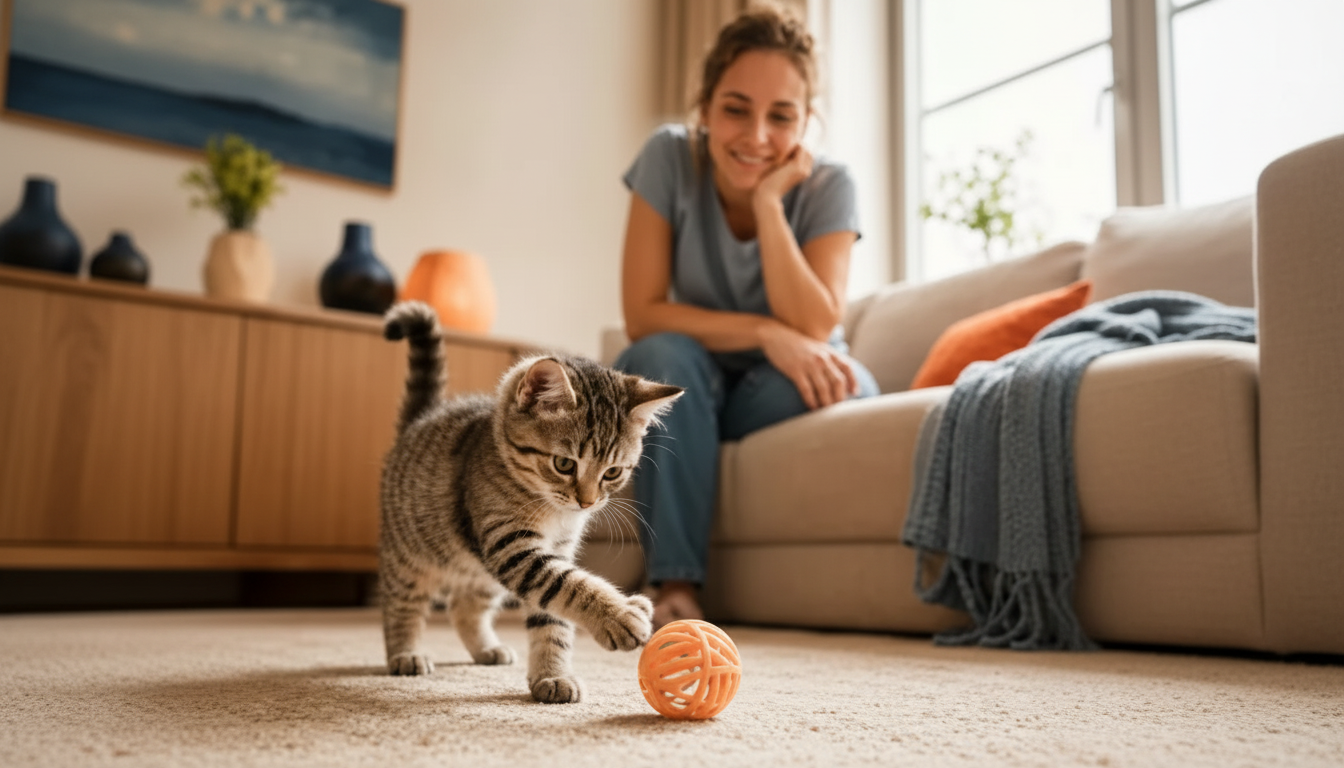
Enrichment Ideas for Indoor Cats: DIY Toys, Play Routines, and a Cat-Friendly Home
Indoor cats can thrive when their day includes hunting-style play, problem-solving, cozy rest spots, and safe ways to climb, scratch, and explore. The goal is to rotate small, easy activities that match natural cat behaviors—stalk, chase, pounce, chew, scratch, climb, and observe—so boredom doesn’t build over time.
Start with what “enrichment” really means for cats
Enrichment isn’t a single toy or a fancy cat tree—it’s a balanced menu of experiences that help a cat feel capable, curious, and calm. A useful way to plan is to think in categories: physical exercise (chasing and climbing), mental work (puzzles and novelty), sensory stimulation (smells, textures, sounds), and social connection (interactive play and calm affection).
Matching activities to your cat’s preferences matters. Some cats are “aerial hunters” who light up for wand toys that flutter and leap; others prefer ground prey like rolling balls that skitter away; many do best with a rotating mix. Short, frequent sessions usually beat one long burst: 5–10 minutes, 2–3 times per day, can make a noticeable difference in mood and behavior.
Common signs of under-stimulation include nighttime zoomies, attention-seeking that escalates into nipping, overgrooming, chewing household items, or scratching outside appropriate areas. Keep it simple by setting one weekly goal: add one new enrichment item, move one perch, or introduce one new play pattern, then observe what sticks.
Daily play routines that mimic a hunt (and reduce stress)
A dependable routine lowers stress because your cat learns when good things happen. Try following a simple “hunt sequence”: stalk → chase → pounce → capture → eat → groom → sleep. A small meal or a few treats after play helps complete the cycle, which can reduce restless pacing or evening “ambush” behavior.
Wand toys tend to work best when they behave like prey: keep the lure low, let it hide behind furniture, pause to “freeze,” then make it dart away. Avoid constantly waving the lure in your cat’s face; that can frustrate cats that want a target to chase and “catch.” Build an energy ladder by starting slow, escalating to sprints, then tapering down—ending while your cat still wants more often increases enthusiasm next time.
For solo play, schedule “toy time” windows: put out 2–4 toys for 20–30 minutes, then store them again. That rotation keeps items feeling new. If play has started turning into ankle ambushes, redirect to a predictable late-afternoon wand session plus a small evening feeding, so your cat channels that stalking energy into a routine instead of targeting people.
Simple weekly play plan (adjust for age and health)
| Time of day | 5–10 minute activity | What it targets | Easy add-on |
|---|---|---|---|
| Morning | Wand play with hiding and pounce breaks | Energy release, confidence | Scatter 5–10 kibble pieces to “forage” |
| Midday | Window perch + bird video or outdoor viewing | Visual stimulation, calm engagement | Rotate perch location weekly |
| Late afternoon | Chase game (ball track, ribbon drag, or hallway sprints) | Exercise, coordination | End with a small treat |
| Evening | Puzzle feeder or treat hunt | Mental work, slower eating | Use a snuffle mat or paper “parcels” |
| Before bed | Gentle interactive play then quiet grooming | Downshift, bonding | Dim lights and reduce loud noise |
DIY toys and low-cost boredom busters (safe and fast)
Many of the best boredom busters are already in your recycling bin—just keep safety at the center. Paper bag “caves” are a classic: remove handles, place the bag on its side, and add a few crumpled paper balls so your cat can hide and ambush. A cardboard box obstacle course works the same way: cut peek holes, connect boxes with short tunnels, then change the layout weekly to bring back novelty.
Make the home cat-friendly: vertical space, scratching, and cozy zones
Food enrichment: turn meals into a game
Nervous, senior, and high-energy cats: adjust the plan
A printable routine makes it easier to stay consistent
Consistency beats complexity. A simple checklist helps rotate toys, track favorite games, and keep play sessions short but frequent—especially on busy weeks. If you want a ready-to-use format, see the Printable cat enrichment guide with DIY toys, play routines, and home tips for templates that make it easier to follow through.
For a broader “care for the caregiver” approach (which can help routines stick), the Whole You: Holistic Wellness Guide can support habit-building, stress management, and daily structure.
Trusted references for feline-friendly enrichment
- American Association of Feline Practitioners (AAFP) – Feline Behavior Guidelines
- International Cat Care – Environmental Needs of Cats
- ASPCA – Cat Enrichment
FAQ
How much play does an indoor cat need each day?
Most cats do well with 10–30 minutes total split into 2–3 short interactive sessions, plus optional solo play windows. Adjust based on age, health, and energy level—kittens and high-energy adults often need more, while seniors may prefer shorter micro-sessions.
What are safe DIY enrichment options that don’t create choking risks?
Good options include handle-free paper bag “caves,” sturdy cardboard box forts, treat scatters, and supervised kicker toys without strings. Avoid yarn, rubber bands, tinsel, and easily shredded materials that can be swallowed.
Why does my cat seem bored even with lots of toys?
Many cats habituate when the same toys are always available, so interest fades. Toy rotation, interactive hunt-style play, environmental variety (vertical space and viewing spots), and food puzzles usually work better than leaving everything out all the time.











Leave a comment